

Laser Cutting vs. CNC Stamping: How to Make a Choice Based on Output and Precision
In the field of metal processing, laser cutting and CNC stamping are two mainstream processes. When faced with the dual considerations of output and precision, enterprises need to scientifically weigh the advantages and disadvantages of both. This article starts from technical principles, precision, output, cost and application, providing a clear basis for decision-making.
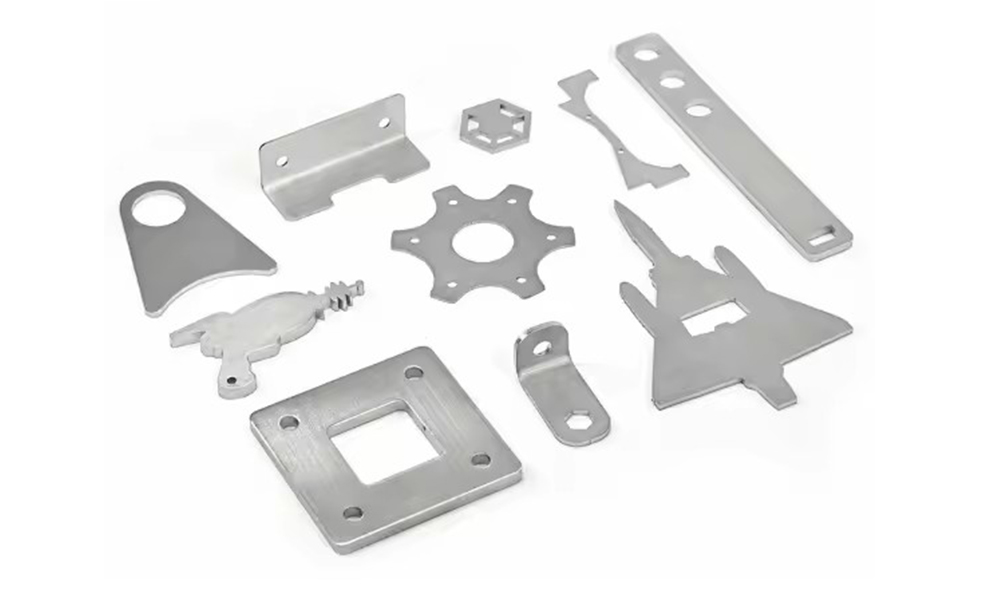
1. Technical principle: Hot cutting vs. cold forming
Laser cutting uses high-energy laser beams to melt or vaporize metals, combined with gas to blow away slag, achieving non-contact cutting and is suitable for processing complex contusions. CNC stamping applies pressure through dies to cause plastic deformation of materials and is suitable for batch production of regular shapes.
The essential difference lies in that laser cutting is "thermal cutting", which is flexible and precise. CNC stamping is "cold forming", which is highly efficient and stable.
2. Precision performance: Laser excels in micron-level control
The laser cutting accuracy can reach ±0.1mm. Relying on dynamic focusing and non-contact characteristics, it is suitable for high-precision fields such as medical care and aviation. The precision of CNC stamping is usually ±0.5mm, and for precision dies, it can reach ±0.2mm. However, due to die wear and material springback, its stability is slightly lower.
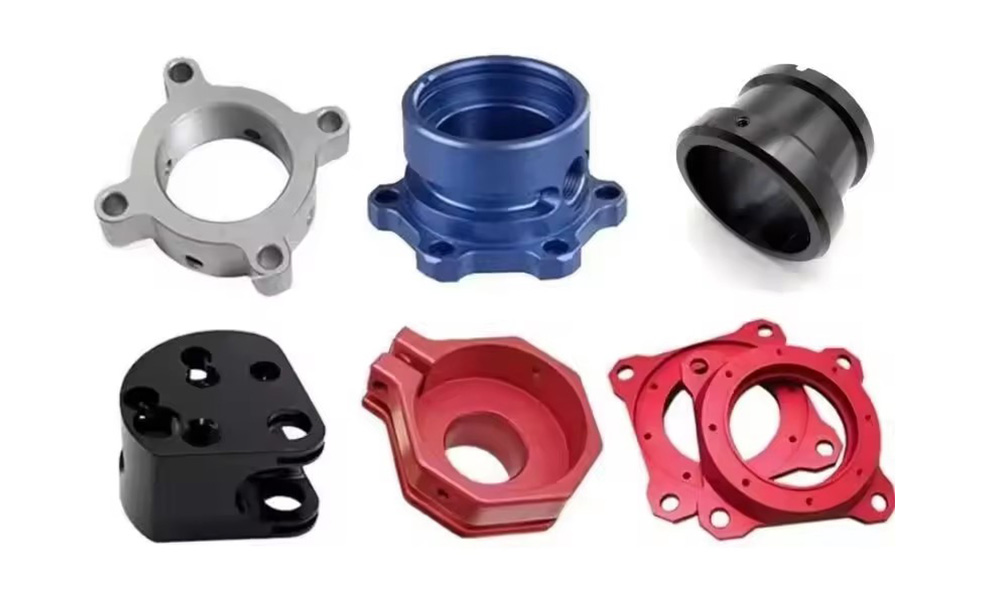
3. Output adaptability: Stamping excels in large-scale production
CNC stamping can achieve high-speed continuous operation with the help of progressive dies, with a single-machine production capacity of dozens of pieces per minute, making it suitable for large-scale tasks with an annual output of over 100,000 pieces. The speed of laser cutting is limited by power and the complexity of the path, and the cost per piece is relatively high. It is more suitable for small-batch and multi-variety production.
4. Cost structure: The unit cost of stamping is lower
The initial investment in laser equipment is high (for example, about 150,000 to 200,000 yuan for a 3000W model), and the cost of consumables (gas, cutting head) accounts for a large proportion. The investment in CNC stamping equipment is relatively low (80,000 to 120,000 yuan), the mold life is long, and the unit cost is significantly reduced under mass production. For instance, the cost of stamping the middle frame of a mobile phone can be reduced by 67% compared to laser.
5. Industry applications: Select as needed
Laser cutting is applicable to: high-precision parts (brackets, lenses), complex graphics (decorative pieces, sculptures), and small-batch customization.
CNC stamping is applicable to: large quantities of components (car doors, shells), standard parts (nuts, tanks), and cost-sensitive projects.
Conclusion: Balance technological and commercial demands
Le choix entre la découpe laser et l'emboutissage CNC repose essentiellement sur un compromis stratégique entre la priorité donnée à la précision et celle donnée au coût. Les entreprises doivent, en fonction de leur positionnement, trouver le juste équilibre entre rendement et précision afin de maximiser la valeur technologique et les avantages économiques.
